

Creepers Uncovered: From Buying to Storage, Your Ultimate Guide

Overview:
Part I - Creeper Recommendations
1. Automotive Creepers
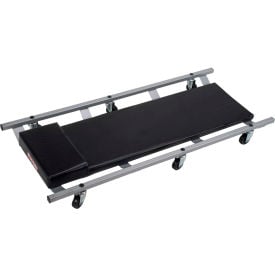
Automotive creepers are specialized rolling platforms designed to make working underneath vehicles easier and more comfortable. These low-profile platforms typically feature wheels and a cushioned surface, allowing mechanics and enthusiasts to slide underneath a vehicle with ease.
Typical Applications
- Mechanical Repairs: Automotive creepers are indispensable for tasks like changing oil, inspecting exhaust systems, and replacing brake components. They provide a comfortable and safe working environment.
- Suspension Work: When working on the suspension system of a vehicle, mechanics often need to access tight spaces under the car. Creepers enable them to do this efficiently.
- Exhaust Repairs: Accessing the exhaust system can be challenging without a creeper. These tools allow for easy access to mufflers, pipes, and catalytic converters.
- Transmission Maintenance: Working on the transmission requires getting under the vehicle. Creepers provide a stable platform for this intricate job.
- Detailing and Cleaning: Even for non-mechanical tasks like detailing and cleaning the underside of a vehicle, automotive creepers offer convenience and comfort.
Top 5 Reasons to Use Automotive Creepers
- Enhanced Mobility: Creepers are equipped with swivel casters, making it easy to move around underneath a vehicle.
- Comfort: The cushioned surface provides comfort during long hours of work, reducing fatigue.
- Safety: Working on a creeper reduces the risk of injury compared to lying on the ground.
- Efficiency: Mechanics can access hard-to-reach areas quickly, improving the efficiency of repairs.
- Versatility: Automotive creepers are suitable for a wide range of vehicles, from cars to trucks and SUVs.
Product Recommendations
For your automotive creeper needs, we recommend checking out the following products:
2. Creepers & Seats
Creepers & seats encompass a broader category that includes not only creepers but also other garage equipment like dollies, carts, and various types of seats designed for automotive work. These products provide comfort and mobility while working in a garage or workshop.
Typical Applications
- Creeping Under Vehicles: Just like automotive creepers, these products are used for tasks that require access to the underside of vehicles.
- Storage and Organization: Creepers, dollies, and carts are handy for storing and organizing tools and parts within a workshop.
- Mobile Workstations: Some creepers & seats are designed to function as mobile workstations, allowing users to have their tools and equipment within arm's reach.
- Ergonomic Seating: Seats in this category offer ergonomic features, making them suitable for extended periods of work.
- Garage Cleanup: Carts and dollies can assist in keeping the garage or workshop organized and clean.
Top 5 Reasons to Use Creepers & Seats
- Comfort and Ergonomics: Creepers & seats provide ergonomic support, reducing strain during long working hours.
- Efficient Storage: They help organize tools and parts, improving efficiency in the workspace.
- Versatility: These products serve multiple purposes, from seating to storage and mobility.
- Safety: Elevating the user from the ground reduces the risk of slipping or accidents.
- Accessibility: Creepers & seats enhance accessibility, making it easier to reach various parts of a vehicle or workspace.
Product Recommendations
Explore our top recommendations for creepers & seats:






Section Wrap-Up
In conclusion, automotive creepers and creepers & seats are invaluable tools for anyone involved in vehicle maintenance or working in a garage environment. These products enhance comfort, safety, and efficiency in various automotive applications. Be sure to consider our product recommendations when shopping for these essential items to ensure a smoother and more productive experience in your automotive endeavors.
Part II - When to Consider Buying a Creeper for Your Home or Garage Business
Whether you're a dedicated DIY enthusiast or run a garage business, investing in a creeper can significantly improve your automotive maintenance experience. Here are some situations when you should consider buying a creeper for your home or garage business:
- Regular Vehicle Maintenance: If you frequently work on your cars, trucks, or motorcycles, a creeper can make your tasks much easier. It provides a comfortable and safe platform to access the underside of vehicles for tasks like oil changes, brake repairs, and inspections.
- Limited Mobility: If you have limited mobility due to age or physical constraints, a creeper allows you to comfortably slide under a vehicle without the need to bend or crawl. This makes automotive maintenance accessible for everyone.
- Professional Garage: For garage businesses, having a creeper is essential. It not only improves the efficiency of your work but also enhances the safety and comfort of your employees. A creeper is a must-have tool in any professional automotive workspace.
- Storage and Organization: Creepers often come with built-in storage compartments or trays, making them ideal for keeping your tools and parts organized. If you struggle with clutter in your garage, a creeper with storage can be a game-changer.
- Ergonomics: If you prioritize your comfort and want to reduce the strain on your body during long hours of work, a creeper with cushioned padding can provide the necessary support. Your back and joints will thank you.
- Safety: Working on your back under a vehicle on the ground can be risky. A creeper raises you off the ground, reducing the chances of accidents, such as slipping or falling tools.
- Efficiency: Time is valuable, and a creeper allows you to complete tasks more efficiently. You can move freely under the vehicle, access hard-to-reach areas, and get the job done faster.
Part III - When to Consider Replacing or Upgrading Your Existing Creeper
While a good quality creeper can last a long time, there are instances when you should consider replacing or upgrading your existing one:
- Wear and Tear: If your creeper is showing signs of wear and tear, such as torn padding, damaged wheels, or a wobbly frame, it's time to replace it. A damaged creeper can compromise your safety and efficiency.
- Lack of Comfort: If you find that your current creeper is no longer providing the comfort and support you need, it might be time to upgrade to a model with better padding and ergonomic features.
- Limited Mobility: If your creeper lacks swivel casters for easy mobility, consider upgrading to a model with better maneuverability. This is especially important if you need to access different areas of your workspace frequently.
- New Features: Newer creepers often come with advanced features like adjustable headrests, LED lights, or integrated tool trays. If you feel that these features could enhance your work, it might be worth upgrading.
- Changing Needs: If your automotive maintenance needs have evolved, such as working on larger vehicles or tackling more complex projects, consider a creeper that better suits your changing requirements.
Remember that a creeper is an investment in your comfort and safety while working on vehicles. Regularly assess its condition and functionality to ensure that it continues to meet your needs effectively.
Part IV - Top 10 Risks of Not Having the Right Type of Creeper for Your Application
Using an inappropriate creeper for a specific automotive task can expose you to a range of risks, from personal injuries to decreased productivity. Understanding these risks is essential for making informed decisions when choosing the right creeper for your needs. Here are the top 10 potential hazards of not having the right creeper:
- Physical Discomfort and Fatigue: When you use a creeper that isn't tailored to your application, you're more likely to experience physical discomfort and fatigue. For instance, if you're working on a sports car with limited ground clearance and use a creeper that doesn't provide sufficient clearance, it can lead to discomfort and exhaustion due to awkward positioning.
- Reduced Mobility: Different automotive tasks demand varying degrees of mobility. If your creeper lacks the necessary mobility features, you may encounter difficulties moving smoothly beneath the vehicle. This can significantly impede your ability to complete tasks efficiently and safely.
- Safety Hazards: Choosing the wrong creeper can create safety hazards. For instance, a creeper without stability on uneven surfaces can result in accidents and injuries. Furthermore, using a creeper not designed for heavy-duty tasks may lead to structural failure under the weight of the vehicle, putting you at risk.
- Inefficient Work: Using an inappropriate creeper can lead to inefficient work processes. For example, if you're working on a project that requires precise positioning under the vehicle, a creeper without adjustable features may hinder your ability to achieve the necessary positioning, resulting in wasted time and effort.
- Risk of Vehicle Damage: Inadequate creepers can potentially damage your vehicle or the tools you use. For instance, using a creeper with sharp or rough edges can lead to scratches or dents on the vehicle's surface. Similarly, a creeper with insufficient padding can cause discomfort and may even harm your clothing.
- Health Concerns: Extended use of a creeper that doesn't offer proper support and ergonomics can lead to health concerns. Common issues include back pain, muscle strain, and joint problems, which can be exacerbated by using the wrong creeper.
- Frustration and Stress: Working with the wrong creeper can be a source of frustration and stress. Continuously struggling with a creeper that doesn't meet your needs can lead to decreased job satisfaction and motivation, affecting your overall work experience.
- Impaired Productivity: An inappropriate creeper can slow down your productivity. It can hinder your ability to efficiently access the necessary parts of the vehicle, resulting in longer work hours and decreased overall productivity.
- Safety Risks to Others: Using an unsuitable creeper can pose safety risks to others in your workspace. For example, if your creeper lacks stability, it may inadvertently roll into the path of a coworker or damage their tools, causing accidents or interruptions.
- Financial Costs: In the long run, using the wrong creeper can have financial implications. It may lead to increased healthcare costs due to injuries or necessitate repairs and replacements for damaged tools or vehicles, adding unnecessary expenses to your automotive maintenance endeavors.
To mitigate these risks effectively, it's essential to assess your specific automotive tasks and select the appropriate creeper that aligns with the demands of your application. Consider factors such as ground clearance, mobility features, weight capacity, and ergonomic design to ensure that your chosen creeper enhances your efficiency and safety, minimizing potential risks.
Part V - How to Properly Use Different Types of Creepers: A Step-by-Step Guide
Using different types of creepers effectively requires proper techniques and precautions to ensure your safety and the success of your automotive tasks. Here's a step-by-step guide on how to properly use common types of creepers:
Step 1: Choose the Right Creeper
Before you start, ensure that you've selected the appropriate creeper for your specific application. Consider factors like ground clearance, weight capacity, and mobility features to match the creeper to your task.
Step 2: Inspect the Creeper
Before using the creeper, perform a thorough inspection. Check for any visible damage, such as tears in the padding, loose wheels, or cracks in the frame. If you discover any issues, repair or replace the creeper as needed.
Step 3: Prepare the Workspace
Clear the workspace of any obstacles or debris that could hinder your movement while using the creeper. Ensure that the area is well-lit to improve visibility.
Step 4: Proper Attire
Wear appropriate attire for the task, including clothing that allows for easy movement and safety gear like safety glasses and gloves if required.
Step 5: Positioning
Position the creeper next to the vehicle or area you need to access. Make sure the creeper is on a level surface and is stable. If your creeper has adjustable features, set them to the desired position for your comfort.
Step 6: Slide onto the Creeper
Gently lower yourself onto the creeper while keeping your body aligned with the creeper's length. Use your hands and feet to guide yourself onto the creeper, avoiding sudden or jerky movements.
Step 7: Move Carefully
Use your hands and feet to move the creeper. Keep your movements slow and deliberate to maintain control. If your creeper has swivel casters, take advantage of their mobility to navigate around the workspace.
Step 8: Work Safely
While on the creeper, always prioritize safety. Be aware of your surroundings, especially when working in a busy garage or workshop. Avoid rolling over objects or tools that could cause accidents.
Step 9: Maintain Proper Posture
Maintain a comfortable and ergonomic posture while using the creeper. Avoid straining your back or neck by adjusting the creeper's position as needed. Take regular breaks to stretch and relieve any tension.
Step 10: Exit Safely
When you're done with your task, carefully slide off the creeper and return it to a safe storage location. Make sure the creeper is secure and won't roll away when not in use.
By following these steps and using the appropriate creeper for your specific application, you can ensure safe and efficient automotive maintenance tasks. Remember that proper technique and safety precautions are essential for a successful and injury-free experience.
Other Considerations:
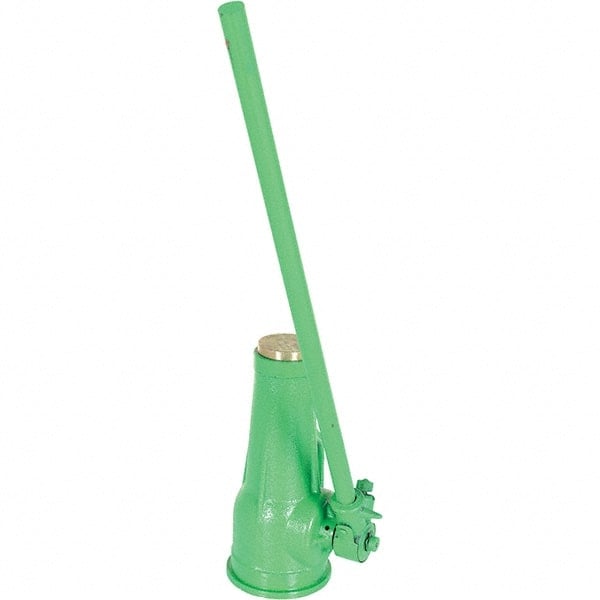
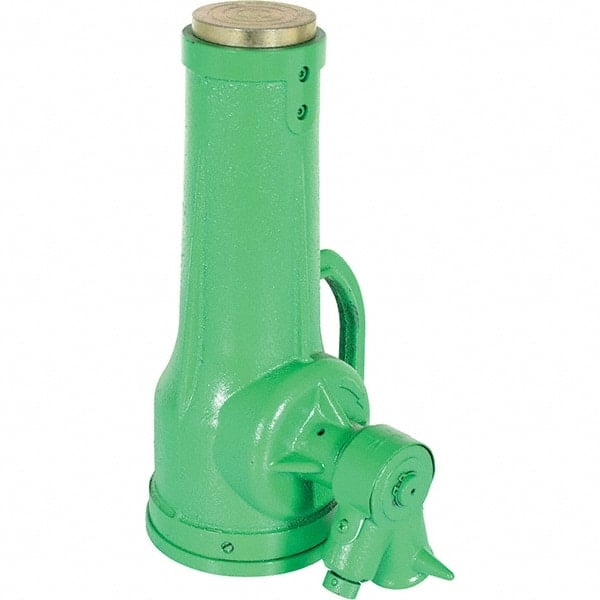
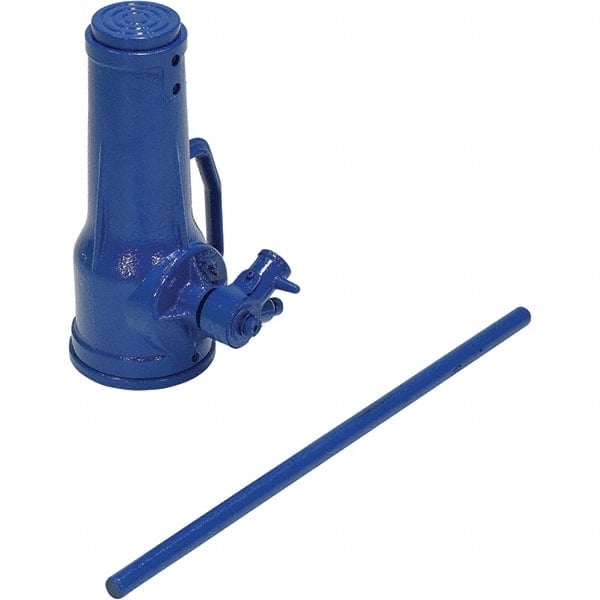
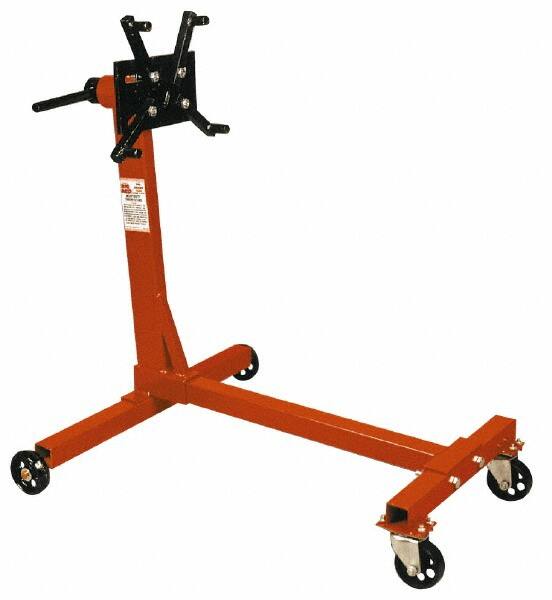
We don't get into the details here, but there are other considerations when using a creeper such as using jacks, positioning axle stands on your vehicle, etc. We recommend looking at other resources to help with your specific vehicle application, otherwise, this blog would become a book! Here are some relevant non-creeper products to consider either way. :-)




Part VI - Storage Considerations for Long-Term Use of Your Creeper
As an automotive enthusiast or professional, your creeper is a valuable tool that enhances your efficiency and comfort while working on vehicles. To ensure that it serves you well for the long haul, proper storage is crucial. Whether you use an automotive creeper or a creeper & seat, the following storage considerations will help extend its lifespan and maintain its effectiveness.
1. Cleanliness:
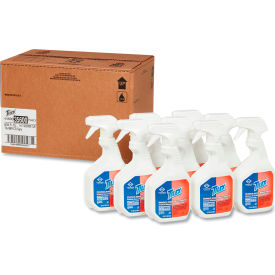
Before storing your creeper, ensure that it's clean and free from any dirt, grease, or debris. Cleaning it with the proper cleaning supplies after each use not only prolongs its life but also prevents any contaminants from damaging the material or components. Use a damp cloth or a suitable cleaning solution to wipe down the creeper's surface, especially the cushioned parts.


2. Dry Environment:
Store your creeper in a dry environment, away from moisture or humidity. Prolonged exposure to moisture can cause rust on metal parts, mold or mildew on cushioned surfaces, and deterioration of wheels or casters. A climate-controlled garage or storage room is ideal for preserving your creeper in good condition.

3. Proper Positioning:
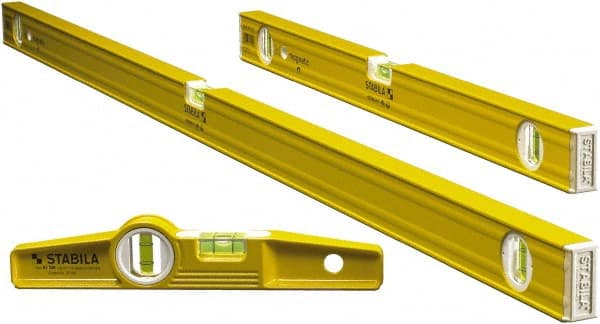
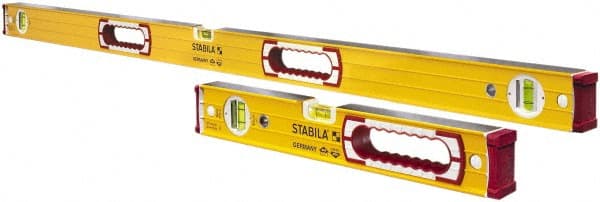
Position the creeper flat and level when storing it. Avoid leaning it against walls or other objects, as this can lead to deformities in the cushioning or the creeper's frame. Storing it flat ensures that the wheels or casters maintain their shape and mobility.


4. Hanging Options:
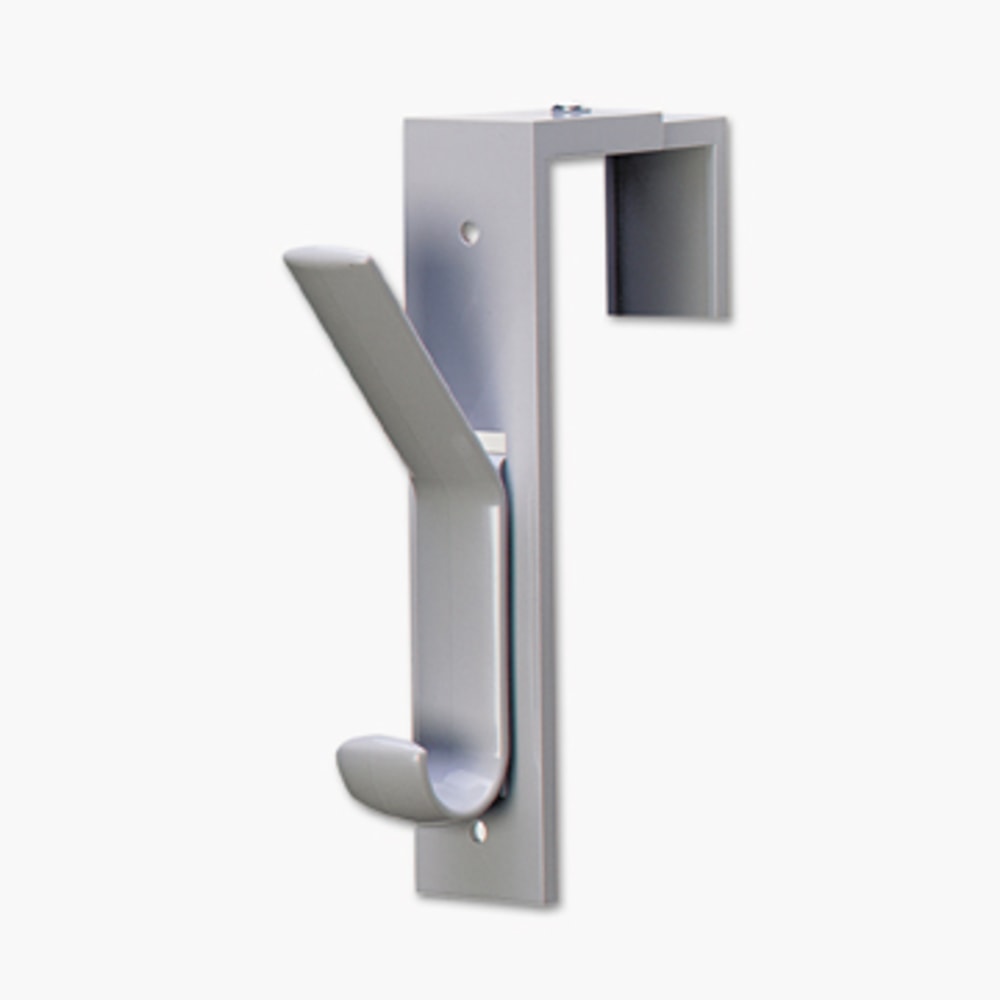
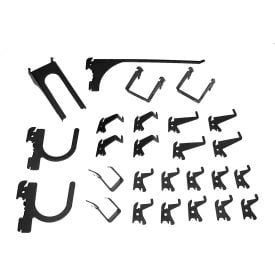
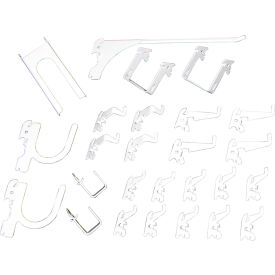
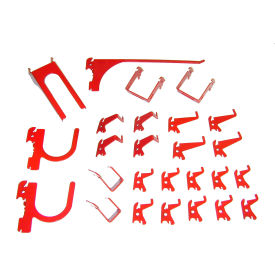
Some creepers come with built-in hanging holes or hooks for convenient storage. If your creeper has these features, consider using them to hang the creeper on a wall (on wall hooks or similar) or pegboard. This method not only keeps your creeper off the floor but also saves space in your garage or workshop.
5. Protection from Sunlight:
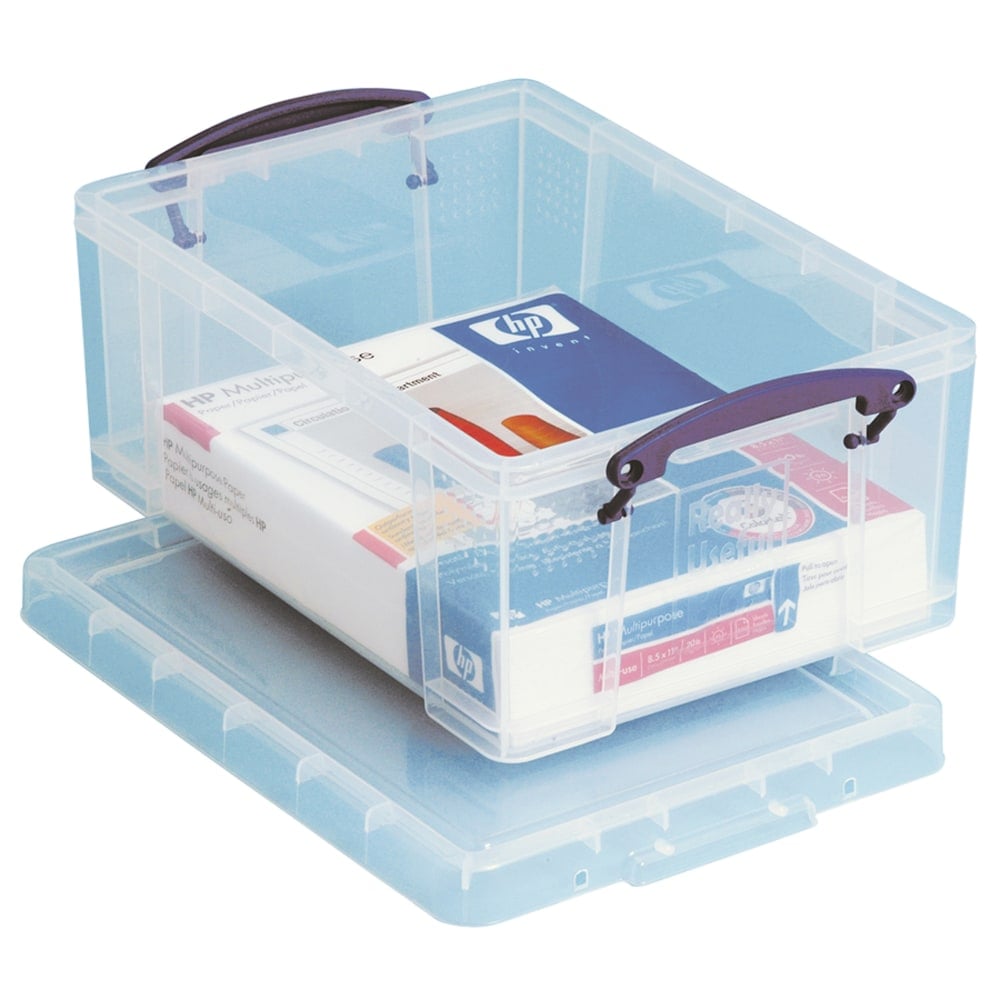
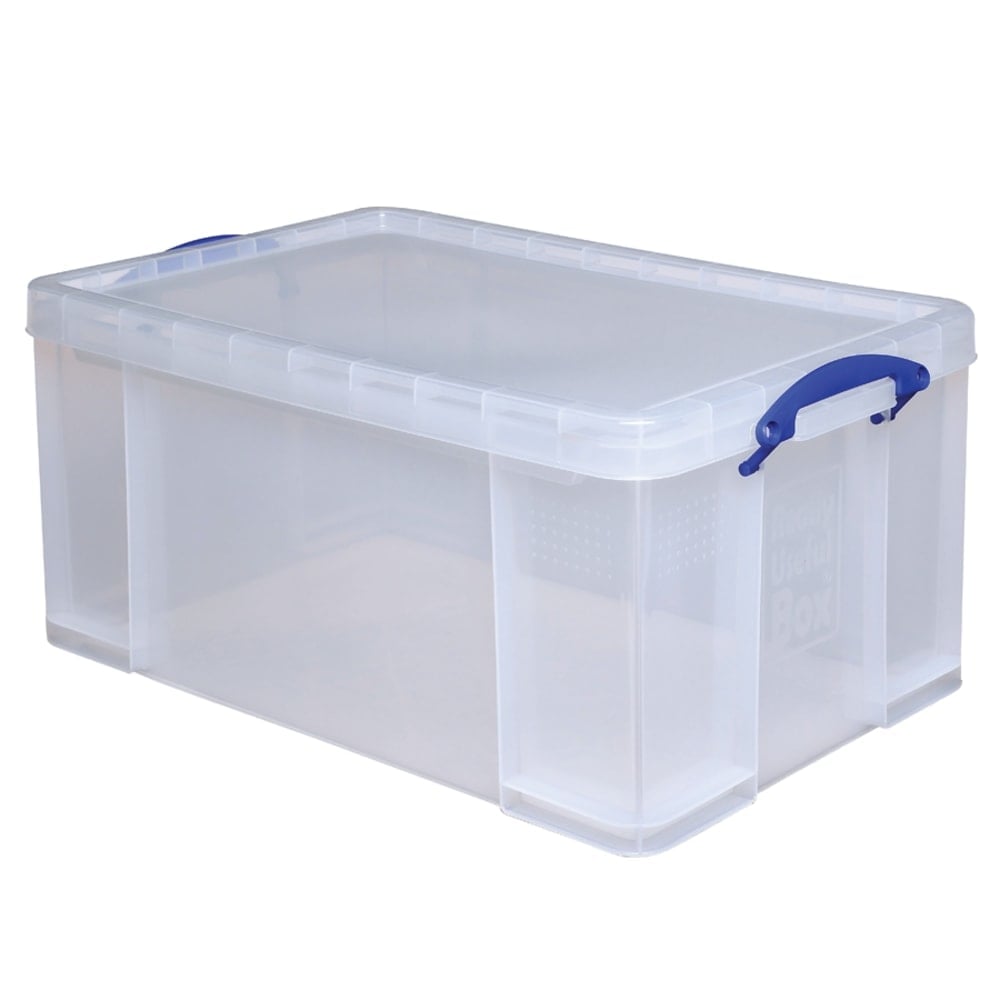
Direct exposure to sunlight can cause the cushioned parts of your creeper to fade or deteriorate over time. If you have no choice but to store it in an area with sunlight, consider using a cover (blanket, tarp or similar) or placing it in a storage container to shield it from harmful UV rays.


6. Lubrication:
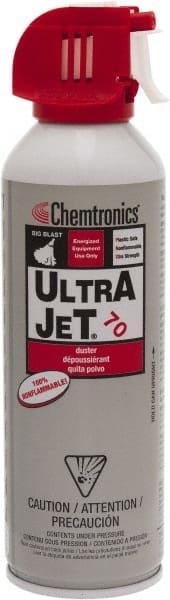
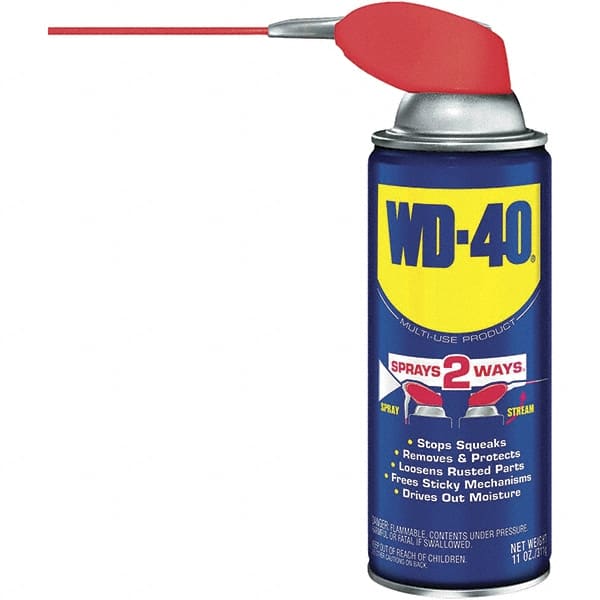
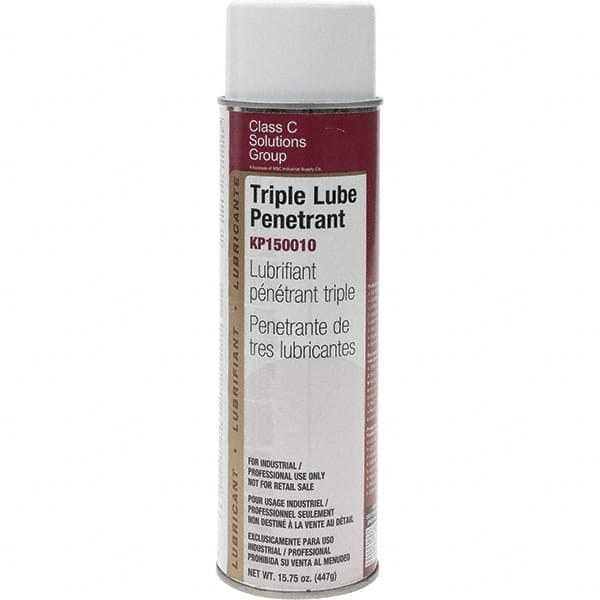
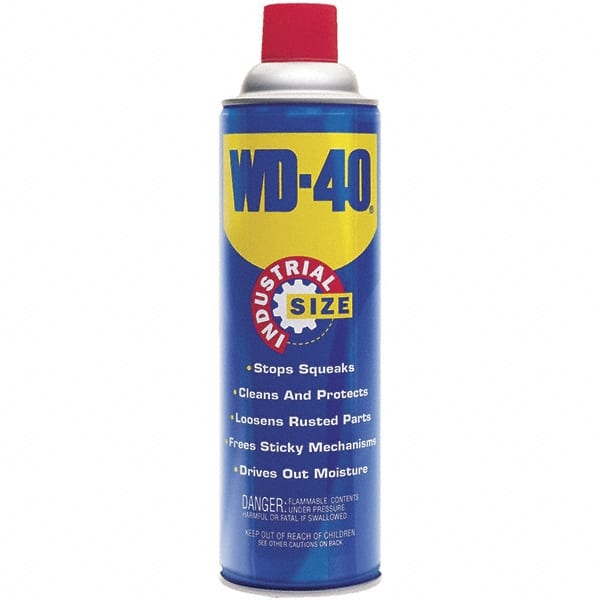
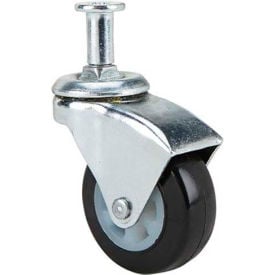
If your creeper has moving parts, such as wheels or casters, apply a suitable lubricant to prevent them from seizing or rusting during storage. Check the manufacturer's recommendations for the type of lubricant to use and apply it sparingly.
7. Proper Alignment:
Before storing your creeper, ensure that all parts are in their proper alignment. This includes checking the wheels or casters for any damage or misalignment. Storing it with misaligned components can lead to further issues when you use it again.
8. Periodic Inspection:
Even during storage, it's essential to periodically inspect your creeper for any signs of wear, tear, or damage or even pest infestation. If you notice any issues, address them promptly to prevent further deterioration. Catching problems early can extend the life of your creeper.


9. Cover or Enclosure:
Consider using a cover or an enclosed storage container to protect your creeper from dust, dirt, and potential pests. A simple cover made from a breathable fabric can be effective in keeping your creeper clean and ready for use.
10. Weight Distribution:
If you need to stack items on top of your stored creeper, distribute the weight evenly to prevent unnecessary stress on its frame or cushioned parts. Avoid overloading the creeper, as excessive weight can lead to deformation.
By following these storage considerations, you can ensure that your creeper remains in excellent condition for long-term use. Proper maintenance and storage will not only extend its lifespan but also guarantee that it continues to provide you with the mobility, comfort, and efficiency you need for all your automotive maintenance tasks.
Final Thoughts:
In the dynamic world of automotive maintenance, the significance of having the right tools cannot be overstated. Automotive creepers and creepers & seats emerge as indispensable assets for both seasoned professionals and dedicated DIY enthusiasts, revolutionizing the way tasks are tackled in the garage or workshop. These tools provide not only mobility and comfort but also elevate safety and efficiency to new heights.
As we conclude our comprehensive guide, it's evident that automotive creepers and creepers & seats are catalysts for enhanced productivity and an overall improved automotive maintenance experience. By understanding their applications, benefits, and considering our product recommendations, you're well-equipped to make informed choices that align with your specific needs.
So, whether you're delving into vehicle maintenance as a profession or embarking on DIY automotive projects, remember that the right tools, exemplified by automotive creepers and creepers & seats, can be your trusted companions on the road to success. Embrace these tools, leverage their advantages, and elevate your automotive endeavors to new heights of efficiency, comfort, and safety.