

Safe by Design: A Deep Dive into Gas Detection Best Practices, Industry Dynamics, and Essential Product Choices

Overview:
Gas detection is a critical aspect of ensuring safety in various industries, ranging from manufacturing to healthcare. This comprehensive guide explores best practices, industry-specific considerations, product recommendations, and the top risks associated with improper gas detection handling. Whether you're navigating routine maintenance or responding to emergencies, understanding the nuances of gas detection is paramount for creating a safe working environment.
Table of Contents:
- Part I - Best Practices for Gas Detection and Safety
- Part II - Industry-Specific Considerations for Gas Detection
- Part III - Gas Detection Product Recommendations
- Part IV - Top Risks of Improper Gas Detection Handling in Key Industries
Part I - Best Practices for Gas Detection and Safety
Gas detection plays a pivotal role in ensuring the safety of individuals in various environments, from industrial settings to laboratories and emergency response situations. To harness the full potential of gas detection equipment, it's crucial to adopt best practices that promote efficiency, reliability, and, most importantly, safety.
1. Regular Maintenance Routines: Regular maintenance is the cornerstone of effective gas detection. Establish a routine for inspecting, cleaning, and calibrating gas detectors. Regular checks help identify potential issues before they compromise the accuracy of readings. Create a maintenance schedule based on manufacturer recommendations and industry standards to ensure optimal performance.
2. Calibration Schedules: Calibration is paramount for accurate gas detection. Establish a calibration schedule based on the type of gas detectors used and the specific gases they detect. Regular calibration ensures that detectors provide precise readings, reducing the risk of false alarms or undetected gas leaks. Automated calibration systems can streamline this process, enhancing efficiency and accuracy.
3. Emergency Response Protocols: Having robust emergency response protocols is crucial for minimizing risks in the event of a gas leak or exposure. Ensure that employees are trained on emergency procedures, including evacuation routes, assembly points, and communication methods. Conduct regular drills to reinforce these protocols and familiarize personnel with the correct use of safety equipment, such as gas masks and protective gear.
4. Maximizing Detector Lifespan: Extend the lifespan of gas detectors by following manufacturer guidelines and implementing proper storage practices. Avoid exposing detectors to extreme temperatures, moisture, or corrosive environments. Regularly update firmware and software to benefit from the latest enhancements and bug fixes, ensuring the longevity and efficiency of the equipment.
5. Real-World Examples and Case Studies: Illustrate the importance of best practices with real-world examples and case studies. Share success stories where adherence to maintenance schedules or effective emergency response protocols prevented accidents or saved lives. Emphasize the tangible benefits of implementing best practices, fostering a deeper understanding of their impact on overall safety.
Part II - Industry-Specific Considerations for Gas Detection
Gas detection needs are not one-size-fits-all; they vary significantly across different industries. Understanding the unique challenges and considerations within specific sectors is essential for tailoring gas detection strategies to meet industry-specific requirements effectively.
1. Oil and Gas: In the oil and gas industry, where flammable gases are prevalent, continuous monitoring for explosive atmospheres is critical. Gas detectors must be rugged, intrinsically safe, and capable of detecting a range of hydrocarbons. Considerations also include the potential for offshore installations, where environmental conditions pose additional challenges.
2. Manufacturing: Manufacturing facilities may encounter a diverse range of gases, from toxic fumes to combustible gases. Gas detectors used in manufacturing settings must be versatile, capable of detecting multiple gases simultaneously. Early detection is crucial to prevent incidents such as chemical leaks or equipment malfunctions.
3. Healthcare: In healthcare settings, where the use of anesthetic gases and sterilization agents is common, gas detection focuses on monitoring exposure levels to ensure the safety of patients and healthcare professionals. Precision and real-time monitoring are vital to prevent the adverse effects of gas exposure in medical facilities.
4. Environmental Monitoring: Environmental monitoring involves detecting and measuring gases in the air to assess air quality and potential environmental hazards. Gas detectors used in this context should be sensitive to various pollutants, including volatile organic compounds (VOCs). Real-time data collection aids in identifying sources of pollution and implementing corrective measures.
5. Case Studies and Statistics: Supporting industry-specific considerations with case studies and relevant statistics strengthens the understanding of why tailored gas detection is crucial. Highlight instances where industry-specific gas detection strategies mitigated risks, prevented environmental damage, or protected the health and well-being of workers.
By acknowledging and addressing industry-specific nuances, businesses can enhance their overall safety protocols, making environments safer for workers and the surrounding community.
Part III - Gas Detection Product Recommendations
Gas detection is a critical aspect of ensuring safety in various industries, from manufacturing to laboratory settings. This comprehensive guide delves into various gas detection products, providing insights into their applications, reasons for use, and recommended products.
Gas Detection
Overview: Gas detection devices are designed to identify and measure the presence of various gases in the environment. These devices play a crucial role in maintaining a safe and healthy workspace by alerting users to potential gas leaks or hazardous conditions.
Typical Applications:
- Industrial manufacturing plants
- Laboratories
- Construction sites
- Petrochemical facilities
- Emergency response teams
Top 5 Reasons to Use Gas Detection Products:
- Early detection of gas leaks
- Ensuring workplace safety
- Compliance with safety regulations
- Protection of human health
- Prevention of fire and explosions
Product Recommendations:
-
 MSASpecial Price $150.79 Regular Price $157.2This product is sold in increments of 1
 -
 HoneywellSpecial Price $132.29 Regular Price $134.55This product is sold in increments of 1
 -
 JustriteSpecial Price $1407.79 Regular Price $1970.91This product is sold in increments of 1
 -
 MSASpecial Price $683.79 Regular Price $704.49This product is sold in increments of 1
 -
 MSASpecial Price $758.29 Regular Price $758.37This product is sold in increments of 1
 -
 MSASpecial Price $211.79 Regular Price $277.3This product is sold in increments of 1
 -
 MSASpecial Price $564.29 Regular Price $741.88This product is sold in increments of 1
 -
 GfgSpecial Price $703.79 Regular Price $842.51This product is sold in increments of 1
Calibration Gas & Equipment
Overview: Calibration gas and equipment are essential for maintaining the accuracy and reliability of gas detection devices. These products help calibrate and verify the performance of gas detectors, ensuring they provide precise measurements.
Typical Applications:
- Calibration of gas detectors
- Routine maintenance of gas detection equipment
- Quality control in manufacturing processes
- Environmental monitoring
- Laboratory research
Top 5 Reasons to Use Calibration Gas & Equipment:
- Ensures accurate gas detection readings
- Extends the lifespan of gas detection devices
- Complies with industry standards
- Facilitates routine maintenance
- Supports quality assurance processes
Product Recommendations:
-
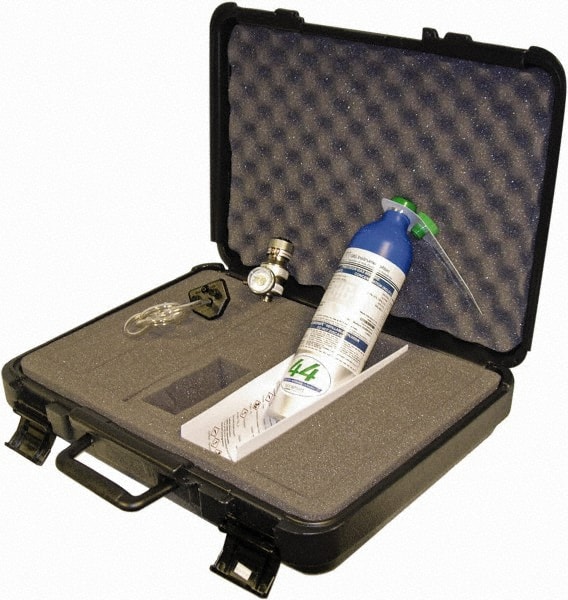 GfGSpecial Price $809.49 Regular Price $1133.29This product is sold in increments of 1
 -
 MSASpecial Price $792.49 Regular Price $838.5This product is sold in increments of 1
 -
GfgSpecial Price $703.79 Regular Price $842.51This product is sold in increments of 1
-
 GfgSpecial Price $1205.29 Regular Price $1579.95This product is sold in increments of 1
 -
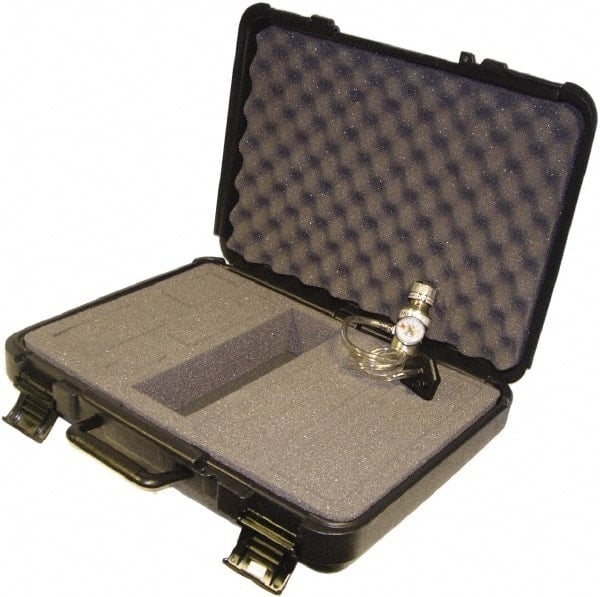 GfgSpecial Price $648.99 Regular Price $908.59This product is sold in increments of 1
 -
 GenericSpecial Price $479.29 Regular Price $598.57This product is sold in increments of 1
 -
 MSASpecial Price $692.29 Regular Price $727.31This product is sold in increments of 1
 -
 Value CollectionSpecial Price $126.49 Regular Price $200.15This product is sold in increments of 1
Gas Detector Parts & Accessories
Overview: Gas detector parts and accessories encompass a range of components that enhance the functionality and usability of gas detection devices. These include sensors, batteries, cases, and interface hardware.
Typical Applications:
- Replacement of worn-out components
- Upgrading existing gas detection devices
- Customizing devices for specific environments
- Routine maintenance
- Emergency response and rescue operations
Top 5 Reasons to Use Gas Detector Parts & Accessories:
- Extends the lifespan of gas detectors
- Enhances device performance
- Facilitates customization for diverse applications
- Ensures quick and efficient maintenance
- Supports adaptability to changing work environments
Product Recommendations:
-
MSASpecial Price $211.79 Regular Price $277.3This product is sold in increments of 1
-
MSASpecial Price $564.29 Regular Price $741.88This product is sold in increments of 1
-
 HoneywellSpecial Price $117.79 Regular Price $203.07This product is sold in increments of 1
 -
 HoneywellSpecial Price $206.49 Regular Price $289.09This product is sold in increments of 1
 -
 HoneywellSpecial Price $77.29 Regular Price $108.21This product is sold in increments of 1
 -
 HoneywellSpecial Price $1029.29 Regular Price $1441.01This product is sold in increments of 1
 -
 HoneywellSpecial Price $1840.29 Regular Price $2576.41This product is sold in increments of 1
 -
 HoneywellSpecial Price $12.49 Regular Price $21.19This product is sold in increments of 1
Gas Detectors & Kits
Overview: Gas detectors and kits are comprehensive solutions that combine gas detection devices with necessary accessories and calibration tools. These kits are designed for specific applications and industries.
Typical Applications:
- Confined space entry
- Hazardous material handling
- Environmental monitoring
- Construction projects
- Oil and gas exploration
Top 5 Reasons to Use Gas Detectors & Kits:
- Streamlines the gas detection process
- Provides a complete solution for specific applications
- Simplifies calibration and maintenance
- Enhances workplace safety
- Ideal for on-the-go or field applications
Product Recommendations:
-
 MSASpecial Price $1740.29 Regular Price $2436.41This product is sold in increments of 1
 -
 MSASpecial Price $423.79 Regular Price $456.67This product is sold in increments of 1
 -
 HoneywellSpecial Price $2590.29 Regular Price $4527.01This product is sold in increments of 1
 -
 HoneywellSpecial Price $2385.49 Regular Price $4169.25This product is sold in increments of 1
 -
 HoneywellSpecial Price $1797.49 Regular Price $3134.52This product is sold in increments of 1
 -
 HoneywellSpecial Price $2643.99 Regular Price $4716.91This product is sold in increments of 1
 -
 HoneywellSpecial Price $1570.29 Regular Price $2738.22This product is sold in increments of 1
 -
 HoneywellSpecial Price $1714.79 Regular Price $3071.21This product is sold in increments of 1
Automated Gas Detector Test Systems
Overview: Automated gas detector test systems are designed to streamline the testing and calibration of gas detection devices. These systems automate the testing process, ensuring efficiency and accuracy.
Typical Applications:
- Large industrial facilities with multiple gas detectors
- Continuous monitoring systems
- Laboratories with a high volume of gas detectors
- Emergency response and rescue teams
- Critical infrastructure facilities
Top 5 Reasons to Use Automated Gas Detector Test Systems:
- Increases testing efficiency
- Reduces manual labor and human error
- Ensures consistent and accurate results
- Ideal for large-scale gas detection networks
- Supports 24/7 monitoring systems
Product Recommendations:
Calibration Adapters
Overview: Calibration adapters are essential components for connecting gas detectors to calibration gas cylinders. These adapters ensure a secure and proper connection, allowing for accurate calibration.
Typical Applications:
- Routine calibration of gas detection devices
- Field calibration for portable detectors
- Laboratory research and testing
- Quality control in manufacturing processes
- Emergency response and rescue operations
Top 5 Reasons to Use Calibration Adapters:
- Ensures a secure connection during calibration
- Facilitates quick and easy calibration processes
- Compatible with various gas detection devices
- Supports field calibration for portable detectors
- Enhances overall calibration accuracy
Product Recommendations:
Calibration Gas
Overview: Calibration gas is a precise mixture of gases used to calibrate gas detection devices. It ensures that detectors provide accurate readings by exposing them to known concentrations of gases.
Typical Applications:
- Routine calibration of gas detectors
- Quality control in manufacturing processes
- Laboratory research and testing
- Compliance with safety regulations
- Environmental monitoring
Top 5 Reasons to Use Calibration Gas:
- Provides a known concentration for accurate calibration
- Ensures consistent and reliable detector performance
- Facilitates compliance with safety standards
- Supports quality assurance in various industries
- Essential for maintaining accurate gas detection readings
Product Recommendations:
Calibration Kits and Stations
Overview: Calibration kits and stations are comprehensive packages that include calibration gas, adapters, and other accessories needed for thorough gas detector calibration. These kits simplify the calibration process.
Typical Applications:
- Routine calibration of gas detection devices
- Field calibration for portable detectors
- Industrial manufacturing plants
- Emergency response and rescue operations
- Quality control in manufacturing processes
Top 5 Reasons to Use Calibration Kits and Stations:
- Provides a complete solution for calibration
- Streamlines the calibration process
- Ideal for field calibration of portable detectors
- Ensures accurate and reliable calibration results
- Supports routine maintenance of gas detectors
Product Recommendations:
Detector Tube Pumps and Kits
Overview: Detector tube pumps and kits are used for on-the-spot detection of specific gases. These portable kits typically include a pump and detector tubes designed for quick and easy analysis.
Typical Applications:
- Emergency response and rescue operations
- Environmental monitoring
- Industrial hygiene assessments
- Field testing for specific gases
- On-the-spot detection in various industries
Top 5 Reasons to Use Detector Tube Pumps and Kits:
- Enables quick on-site detection of specific gases
- Ideal for emergency response situations
- Portable and easy to use in the field
- Supports industrial hygiene assessments
- Provides immediate results without laboratory analysis
Product Recommendations:
Devalving Tools
Overview: Devalving tools are essential for safely removing the valve from gas cylinders. These tools ensure a secure and controlled process, allowing for the safe replacement or calibration of gas cylinders.
Typical Applications:
- Routine maintenance of gas cylinders
- Calibration of gas detectors
- Emergency response and rescue operations
- Quality control in manufacturing processes
- Laboratory research and testing
Top 5 Reasons to Use Devalving Tools:
- Ensures safe and controlled removal of gas cylinder valves
- Facilitates routine maintenance of gas cylinders
- Essential for calibration of gas detectors
- Enhances workplace safety during cylinder handling
- Compatible with various types of gas cylinders
Product Recommendations:
Fixed Gas Detector Controllers
Overview: Fixed gas detector controllers are centralized units that monitor and control multiple fixed gas detectors. These controllers provide a comprehensive solution for managing gas detection networks in large facilities.
Typical Applications:
- Industrial manufacturing plants
- Petrochemical facilities
- Power generation plants
- Critical infrastructure facilities
- Large laboratories and research facilities
Top 5 Reasons to Use Fixed Gas Detector Controllers:
- Centralized monitoring of multiple gas detectors
- Efficient management of gas detection networks
- Quick response to gas leaks or hazardous conditions
- Ideal for large-scale facilities
- Enhances overall safety and compliance
Product Recommendations:
Fixed Gas Detectors
Overview: Fixed gas detectors are stationary devices designed to continuously monitor specific gases in the environment. These detectors are installed in strategic locations to provide early warning of gas leaks.
Typical Applications:
- Gas pipelines and distribution facilities
- Chemical processing plants
- Refineries
- Storage tanks and silos
- HVAC systems in commercial buildings
Top 5 Reasons to Use Fixed Gas Detectors:
- Continuous monitoring for early gas leak detection
- Ensures rapid response to hazardous conditions
- Reduces the risk of accidents and explosions
- Protects human health and the environment
- Complies with safety regulations and standards
Product Recommendations:
Gas Cylinder Regulators
Overview: Gas cylinder regulators are devices that control the flow of gas from a cylinder to the connected gas detection device. These regulators ensure a consistent and controlled gas supply for accurate readings.
Typical Applications:
- Calibration of gas detectors
- Laboratory research and testing
- Quality control in manufacturing processes
- Environmental monitoring
- Emergency response and rescue operations
Top 5 Reasons to Use Gas Cylinder Regulators:
- Controls the flow of gas for accurate calibration
- Facilitates precise gas delivery to detectors
- Compatible with various gas detection devices
- Essential for laboratory research and testing
- Ensures the reliability of gas detection readings
Product Recommendations:
Gas Detection Accessories
Overview: Gas detection accessories include a wide range of items that enhance the functionality and usability of gas detection devices. These may include cases, boots, interface hardware, and additional accessories.
Typical Applications:
- Customization and personalization of gas detectors
- Protection and storage of gas detection devices
- Emergency response and rescue operations
- Routine maintenance and calibration
- Fieldwork in various industries
Top 5 Reasons to Use Gas Detection Accessories:
- Customizes and personalizes gas detectors for specific needs
- Enhances the durability and protection of gas detectors
- Facilitates easy storage and transport of detectors
- Supports efficient routine maintenance and calibration
- Ideal for fieldwork and emergency response situations
Product Recommendations:
Gas Detection Control Panels
Overview: Gas detection control panels provide a centralized interface for monitoring and controlling multiple gas detectors. These panels offer real-time data and alerts, enabling quick responses to potential gas leaks.
Typical Applications:
- Large industrial facilities with extensive gas detection networks
- Petrochemical plants
- Power generation facilities
- Critical infrastructure sites
- Facilities with varying gas detection needs
Top 5 Reasons to Use Gas Detection Control Panels:
- Centralized monitoring and control of gas detectors
- Real-time data and alerts for quick response
- Ideal for large-scale facilities with extensive gas detection networks
- Enhances overall safety and compliance
- Provides a user-friendly interface for easy management
Product Recommendations:
Gas Detection Tube and Pump Accessories
Overview: Gas detection tube and pump accessories include various components designed to complement the use of gas detection tubes and pumps. These accessories enhance the efficiency and accuracy of on-site gas analysis.
Typical Applications:
- Environmental monitoring
- Industrial hygiene assessments
- Emergency response and rescue operations
- On-the-spot detection of specific gases
- Field testing in various industries
Top 5 Reasons to Use Gas Detection Tube and Pump Accessories:
- Enhances the efficiency and accuracy of on-site gas analysis
- Supports environmental monitoring and industrial hygiene assessments
- Ideal for emergency response and rescue operations
- Facilitates on-the-spot detection of specific gases
- Compatible with various gas detection tubes and pumps
Product Recommendations:
Gas Detector Battery Chargers
Overview: Gas detector battery chargers are essential for maintaining the power supply of portable gas detectors. These chargers ensure that detectors are always ready for use and provide a reliable source of power.
Typical Applications:
- Routine maintenance of portable gas detectors
- Emergency response and rescue operations
- Fieldwork in various industries
- Laboratory research and testing
- Environmental monitoring
Top 5 Reasons to Use Gas Detector Battery Chargers:
- Ensures a reliable power supply for portable gas detectors
- Facilitates routine maintenance and readiness for emergency response
- Ideal for fieldwork in various industries
- Compatible with a wide range of gas detectors
- Supports continuous monitoring in laboratory and environmental settings
Product Recommendations:
Gas Detector Cases and Boots
Overview: Gas detector cases and boots provide protective enclosures for gas detectors, safeguarding them from environmental hazards and physical damage. These accessories ensure the longevity and reliability of gas detection devices.
Typical Applications:
- Protection and storage of gas detectors
- Fieldwork in challenging environments
- Emergency response and rescue operations
- Routine maintenance and calibration
- Transportation of gas detectors
Top 5 Reasons to Use Gas Detector Cases and Boots:
- Protects gas detectors from environmental hazards and physical damage
- Ideal for fieldwork in challenging and rugged environments
- Ensures the longevity and reliability of gas detection devices
- Facilitates easy storage and transportation of detectors
- Essential for routine maintenance and calibration
Product Recommendations:
Gas Detector Interface Hardware
Overview: Gas detector interface hardware includes various components that enable the connection and communication between gas detectors and external devices. These interfaces enhance the functionality and integration of gas detection systems.
Typical Applications:
- Integration of gas detection systems with other safety equipment
- Data communication and analysis
- Industrial automation and control
- Emergency response and rescue operations
- Customization of gas detection systems
Top 5 Reasons to Use Gas Detector Interface Hardware:
- Enables integration with other safety equipment for a comprehensive safety system
- Facilitates data communication and analysis for informed decision-making
- Supports industrial automation and control for efficient operations
- Ideal for emergency response and rescue operations
- Enhances customization options for gas detection systems
Product Recommendations:
Multi-Gas Detectors
Overview: Multi-gas detectors are versatile devices capable of detecting and measuring multiple gases simultaneously. These detectors are essential for industries where exposure to various gases is possible.
Typical Applications:
- Confined space entry
- Oil and gas exploration
- Chemical processing plants
- Emergency response and rescue operations
- Industrial manufacturing facilities
Top 5 Reasons to Use Multi-Gas Detectors:
- Simultaneous detection and measurement of multiple gases
- Ideal for confined space entry where various gases may be present
- Ensures comprehensive safety in diverse industrial settings
- Essential for emergency response and rescue operations
- Facilitates compliance with safety regulations and standards
Product Recommendations:
Protector Cases
Overview: Protector cases are rugged and durable cases designed to provide maximum protection for gas detectors during transportation and storage. These cases are built to withstand harsh environmental conditions.
Typical Applications:
- Transportation and storage of gas detectors in challenging environments
- Fieldwork in rugged and demanding conditions
- Emergency response and rescue operations
- Routine maintenance and calibration
- Protection of valuable gas detection equipment
Top 5 Reasons to Use Protector Cases:
- Provides maximum protection for gas detectors in challenging environments
- Ideal for fieldwork in rugged and demanding conditions
- Ensures the longevity and reliability of gas detection devices
- Facilitates easy storage and transportation of detectors
- Essential for routine maintenance and calibration
Product Recommendations:
Replacement Batteries
Overview: Replacement batteries are essential for maintaining the power supply of gas detectors. These batteries ensure the continuous operation and reliability of detectors, especially during prolonged use.
Typical Applications:
- Routine maintenance of portable gas detectors
- Emergency response and rescue operations
- Fieldwork in various industries
- Laboratory research and testing
- Environmental monitoring
Top 5 Reasons to Use Replacement Batteries:
- Ensures a reliable power supply for portable gas detectors
- Facilitates routine maintenance and readiness for emergency response
- Ideal for fieldwork in various industries
- Compatible with a wide range of gas detectors
- Supports continuous monitoring in laboratory and environmental settings
Product Recommendations:
-
 Battery ClerkSpecial Price $23.79 Regular Price $45.29This product is sold in increments of 1
 -
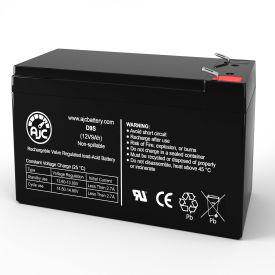 AJC® Battery Brand Replacement for a WKA12-9F2 UPS Replacement Battery 9Ah 12V F2 AJC-D9S-M-0-126058Battery ClerkSpecial Price $58.99 Regular Price $111.79This product is sold in increments of 1
 -
 Battery ClerkSpecial Price $81.99 Regular Price $155.29This product is sold in increments of 1
 -
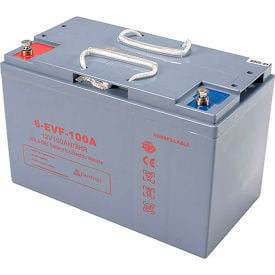 MROSpecial Price $599.29 Regular Price $1135.29This product is sold in increments of 1
 -
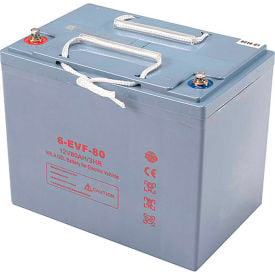 MROSpecial Price $582.29 Regular Price $1102.99This product is sold in increments of 1
 -
 MROSpecial Price $950.29 Regular Price $1799.99This product is sold in increments of 1
 -
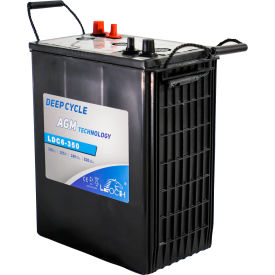 MROSpecial Price $1004.79 Regular Price $1903.29This product is sold in increments of 1
 -
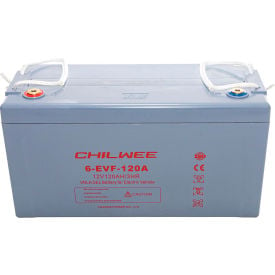 MROSpecial Price $941.99 Regular Price $1784.29This product is sold in increments of 1
Replacement Sensors
Overview: Replacement sensors are critical components that ensure the accurate detection of gases by gas detectors. These sensors need periodic replacement to maintain the effectiveness of gas detection devices.
Typical Applications:
- Routine maintenance and calibration of gas detectors
- Emergency response and rescue operations
- Fieldwork in various industries
- Laboratory research and testing
- Environmental monitoring
Top 5 Reasons to Use Replacement Sensors:
- Ensures accurate and reliable gas detection readings
- Facilitates routine maintenance and calibration of gas detectors
- Ideal for fieldwork in various industries
- Compatible with a wide range of gas detection devices
- Supports continuous monitoring in laboratory and environmental settings
Product Recommendations:
Sample Draw Pumps
Overview: Sample draw pumps are devices used to draw gas samples from a specific location to the gas detector for analysis. These pumps are commonly used in confined space entry and remote sampling applications.
Typical Applications:
- Confined space entry
- Remote sampling in hazardous environments
- Environmental monitoring in remote locations
- Laboratory research and testing
- Emergency response and rescue operations
Top 5 Reasons to Use Sample Draw Pumps:
- Facilitates sampling from specific locations for accurate analysis
- Ideal for confined space entry and remote sampling applications
- Supports environmental monitoring in remote and challenging environments
- Compatible with various gas detection devices
- Enhances safety in laboratory research and emergency response situations
Product Recommendations:
Single Gas Detection Tubes
Overview: Single gas detection tubes are pre-calibrated tubes designed to detect and measure a specific gas. These tubes provide a quick and convenient method for on-the-spot gas analysis.
Typical Applications:
- Emergency response and rescue operations
- Industrial hygiene assessments
- Environmental monitoring
- On-the-spot detection of specific gases
- Field testing in various industries
Top 5 Reasons to Use Single Gas Detection Tubes:
- Provides a quick and convenient method for on-the-spot gas analysis
- Ideal for emergency response and rescue operations
- Supports industrial hygiene assessments and environmental monitoring
- Facilitates on-the-spot detection of specific gases
- Compatible with various gas detection devices
Product Recommendations:
Single-Gas Detectors
Overview: Single-gas detectors are compact and portable devices designed to detect and measure a specific gas. These detectors are commonly used in various industries where exposure to a single gas is a concern.
Typical Applications:
- Confined space entry
- Oil and gas exploration
- Chemical processing plants
- Emergency response and rescue operations
- Industrial manufacturing facilities
Top 5 Reasons to Use Single-Gas Detectors:
- Compact and portable for easy use in various applications
- Ideal for confined space entry and industrial settings
- Provides specific gas detection for targeted safety concerns
- Supports emergency response and rescue operations
- Enhances overall safety and compliance
Product Recommendations:
Smoke Generating Tubes
Overview: Smoke generating tubes are used to produce a visible smoke for testing and calibrating smoke detectors. These tubes are essential for ensuring the proper functionality of smoke detection systems.
Typical Applications:
- Testing and calibration of smoke detectors
- Fire safety training exercises
- Emergency response drills
- Assessing ventilation systems
- Simulating fire scenarios for training purposes
Top 5 Reasons to Use Smoke Generating Tubes:
- Essential for testing and calibrating smoke detectors
- Facilitates fire safety training exercises
- Critical for emergency response drills
- Assesses the effectiveness of ventilation systems
- Enables realistic simulation of fire scenarios for training
Product Recommendations:
Smoke Generation Kits
Overview: Smoke generation kits include various tools and materials necessary for producing visible smoke. These kits are comprehensive solutions for testing and calibrating smoke detectors in different environments.
Typical Applications:
- Testing and calibrating smoke detectors in various settings
- Fire safety training exercises for different scenarios
- Emergency response drills and simulations
- Evaluating ventilation systems in diverse environments
- Training exercises for firefighters and emergency responders
Top 5 Reasons to Use Smoke Generation Kits:
- Comprehensive solution for testing and calibrating smoke detectors
- Versatile for fire safety training exercises in different scenarios
- Essential for emergency response drills and simulations
- Evaluates the effectiveness of ventilation systems in diverse environments
- Ideal for training exercises for firefighters and emergency responders
Product Recommendations:
Volatile Organic Compound Detectors
Overview: Volatile organic compound (VOC) detectors are specialized devices designed to detect and measure the presence of organic compounds in the air. These detectors are crucial for environments where the release of VOCs is a concern.
Typical Applications:
- Indoor air quality assessments
- Industrial settings with potential VOC emissions
- Chemical manufacturing facilities
- Environmental monitoring in urban areas
- Hazardous waste disposal sites
Top 5 Reasons to Use Volatile Organic Compound Detectors:
- Ensures indoor air quality assessments in various environments
- Critical for industrial settings with potential VOC emissions
- Essential for monitoring chemical manufacturing facilities
- Supports environmental monitoring in urban areas
- Ideal for detecting VOCs in hazardous waste disposal sites
Product Recommendations:
Wrap Up
In conclusion, the world of gas detection encompasses a wide array of products designed to ensure the safety and well-being of individuals in various environments. From gas detectors and calibration equipment to accessories and control panels, each category serves a specific purpose in enhancing safety protocols and preventing potential hazards.
Understanding the unique features and applications of these products is crucial for businesses and individuals alike. Whether you are working in an industrial setting, conducting routine maintenance, or responding to emergency situations, having the right gas detection equipment can make a significant difference in ensuring a safe working environment.
By following the guidelines outlined in this comprehensive guide, you can gain valuable insights into the diverse categories of gas detection products. The provided product recommendations and hyperlinks to GoVets allow you to explore and acquire the most suitable equipment for your specific needs.
Remember, when it comes to safety, investing in high-quality gas detection products is not just a regulatory requirement but a responsibility to protect lives and the environment. Stay informed, stay safe, and make the right choices for a secure and healthy future.
Part IV - Top Risks of Improper Gas Detection Handling in Key Industries
Effective gas detection is pivotal for maintaining a safe and secure working environment across various industries. Failing to handle gas detection properly can lead to significant risks, ranging from health hazards to environmental damage and potential disasters. Here are the top 5 risks associated with not properly handling gas detection in each of the key industries discussed:
1. Oil and Gas Industry:
- Explosive Atmospheres: Inadequate gas detection increases the risk of undetected explosive atmospheres, leading to potential catastrophic explosions.
- Toxic Gas Exposure: Failure to monitor toxic gases, such as hydrogen sulfide, poses severe health risks to workers in oil and gas extraction and processing.
- Offshore Installations: Improper handling may result in undetected gas leaks on offshore platforms, endangering both workers and the surrounding environment.
- Equipment Malfunctions: Without proper gas detection, equipment malfunctions, leaks, or gas-related incidents can occur, causing disruptions and safety hazards.
- Environmental Impact: Gas leaks, especially in offshore drilling, can lead to environmental disasters, affecting marine life and ecosystems.
2. Manufacturing Industry:
- Chemical Exposure: Failure to monitor and detect chemical leaks in manufacturing plants increases the risk of exposure to harmful substances.
- Combustible Gas Ignition: Inadequate gas detection heightens the risk of undetected combustible gases, leading to potential explosions and fires in manufacturing facilities.
- Equipment Failures: Without proper gas monitoring, equipment failures due to gas-related issues may occur, causing production delays and safety hazards.
- Health and Safety Violations: Inefficient gas detection can lead to violations of health and safety regulations, resulting in legal consequences and reputational damage.
- Environmental Contamination: Gas leaks in manufacturing processes can contribute to environmental contamination, impacting soil and water quality.
3. Healthcare Industry:
- Anesthetic Gas Exposure: Improper monitoring of anesthetic gases increases the risk of exposure, potentially leading to health issues for patients and healthcare professionals.
- Sterilization Agent Leaks: Failure to detect leaks of sterilization agents poses health risks and can compromise the safety of medical equipment and facilities.
- Infection Control: Inadequate gas detection may compromise infection control measures, leading to the spread of harmful gases within healthcare settings.
- Occupational Health Concerns: Improper handling of gas detection impacts the occupational health of healthcare workers, potentially resulting in long-term health issues.
- Patient Safety: Without accurate gas detection, patient safety is at risk, as exposure to certain gases can have adverse effects on recovery and overall well-being.
4. Environmental Monitoring:
- Air Quality Degradation: Ineffective gas detection jeopardizes the ability to monitor air quality, leading to degradation and pollution of the environment.
- VOC Exposure: Failure to detect volatile organic compounds (VOCs) can result in harmful exposure levels, impacting both human health and the ecosystem.
- Delayed Pollution Response: Without timely detection, the response to environmental pollution incidents may be delayed, exacerbating the impact on ecosystems.
- Inaccurate Pollution Assessments: Inadequate gas detection hinders accurate assessments of pollution sources, making it challenging to implement effective mitigation strategies.
- Environmental Degradation: Gas leaks or pollution events can lead to long-term environmental degradation, affecting biodiversity and ecosystem balance.
5. Wrap-Up:
Understanding and mitigating the risks associated with improper gas detection handling is imperative for fostering a safe working environment across diverse industries. By adopting best practices, adhering to industry-specific considerations, and recognizing the potential risks, businesses can proactively safeguard the well-being of workers, protect the environment, and ensure compliance with regulatory standards.
Final Thoughts:
In the ever-evolving landscape of gas detection, knowledge is power. Stay informed, follow best practices, tailor strategies to industry specifics, and invest in quality products. This comprehensive guide empowers you to navigate the complexities of gas detection, fostering a culture of safety and responsibility in various environments.
- Exploring Dimensional Measurement Tools: A Guide to Precision
- Mastering Metalworking: A Guide to Essential Machines and Tools
- Dimensional Measuring Tools - Products, History and Diverse Applications
- A Complete Guide to Sharpening Tools and Accessories
- Sustainable Power Tool Practices: Energy-Efficiency and Emission Reduction
- Veteran Spotlight
- GoVets Solutions
- Buying Guides & Projects
- Shopping Trends
- Prime Contractor Resources
- Business & Entrepreneur Resources
- GoVets Giving
- Online Security and Shopping Safety
- GoVets Top Selling Products
- Veteran Resources
- Product Spotlights
- Technology Updates
- GoVets Medallion Updates
- Government Updates
- GoVets Capabilities
- Press Releases
- Promotion Updates
- Industry Trends